Multi-story brick bungalows in Washington Park and multi-level modern builds in Central Park frequently suffer from severe vertical heat stratification. Because Denver sits at 5,280 feet above sea level, lower air…
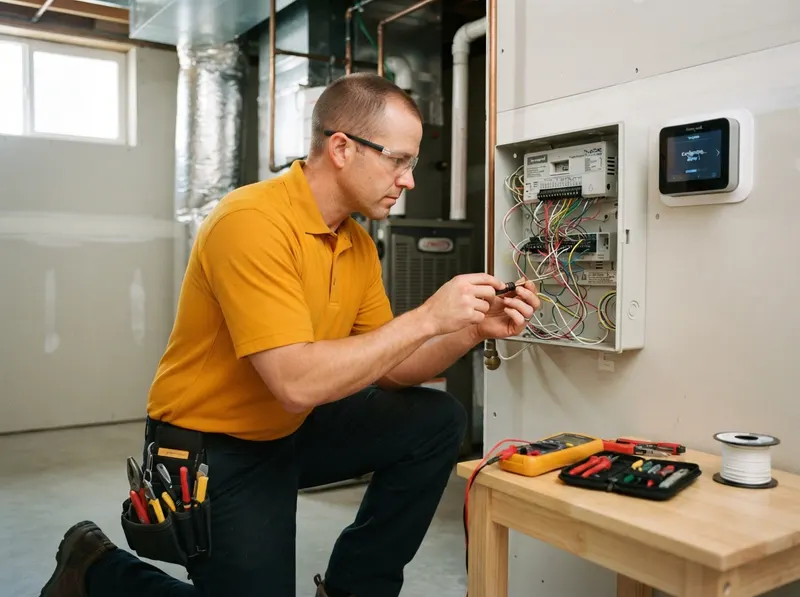
Multi-story brick bungalows in Washington Park and multi-level modern builds in Central Park frequently suffer from severe vertical heat stratification. Because Denver sits at 5,280 feet above sea level, lower air density reduces the mass flow rate through forced-air ductwork, causing upper levels to overheat in July while basements remain uncomfortably cold. Integrating multi-stage smart thermostats with motorized zone dampers solves this imbalance by dividing your duct system into independent thermal zones. Rather than forcing a single furnace or air conditioning unit to run continuously to satisfy one uncomfortable room, a dedicated zone control panel modulates airflow based on real-time demand from each zone sensor.
Installing zone controls provides a practical alternative to adding secondary mini-split systems or replacing functional mechanical equipment. In historic two-story residences throughout Capitol Hill, Baker, and Congress Park, running new refrigerant lines or secondary duct runs can disrupt historic architecture and drive up renovation expenses. Retrofitting automated dampers into existing trunk lines allows property owners to manage solar gain on south-facing exposures near Cherry Creek while maintaining stable heating on shaded northern exposures. Technicians verify static pressure across the heat exchanger during setup to prevent short-cycling and ensure your equipment operates within manufacturer tolerances.
Every job gets a firm, written price after a free on-site visit.
Tell us about your thermostat integration and zone controls job in Denver and we'll send a clear, written quote — usually the same day.
 Enterprise HVAC Solutions